Starting and running a small business is an exhilarating journey filled with immense opportunities and equally significant risks. Whether you are launching a tech startup, opening a local bakery, or running a freelance consulting firm, one catastrophic event—a lawsuit, a natural disaster, or a cyberattack—can wipe out years of hard work. This is why securing the best insurance for small businesses is not just a regulatory hoop to jump through; it is the fundamental bedrock of your company’s financial survival and longevity.
In this exhaustive, pillar guide, we will explore the intricate world of commercial insurance. We will cover the highest-rated policies, explain complex terminology, and, most importantly, provide a definitive industry-based guide to help you tailor your coverage to your specific niche.
Whether you are searching for a small business insurance quote, trying to understand your general liability insurance cost, or exploring advanced protections like cyber liability insurance and directors and officers insurance, this guide will serve as your ultimate resource.
The Core Foundation – Essential Types of Small Business Insurance
Before diving into industry-specific requirements, you must understand the foundational building blocks of commercial coverage. These are the high-value, critical policies that form the safety net for the vast majority of enterprises.
1. General Liability Insurance
Often considered the first line of defense, commercial general liability insurance (CGL) protects your business from common claims involving bodily injuries, customer property damage, and advertising injuries (like slander or copyright infringement).
-
Who Needs It: Virtually every business. If you interact with clients face-to-face, have a physical location, or handle client property, CGL is non-negotiable.
-
What It Covers: Medical expenses for a customer who slips in your store, legal fees if you are sued for property damage, and settlements.
2. Business Owner’s Policy (BOP)
A Business Owner’s Policy (BOP) is a highly cost-effective bundle that combines General Liability Insurance and Commercial Property Insurance into a single package.
-
Who Needs It: Small to medium-sized businesses with physical assets, operating out of a storefront, office, or even a home.
-
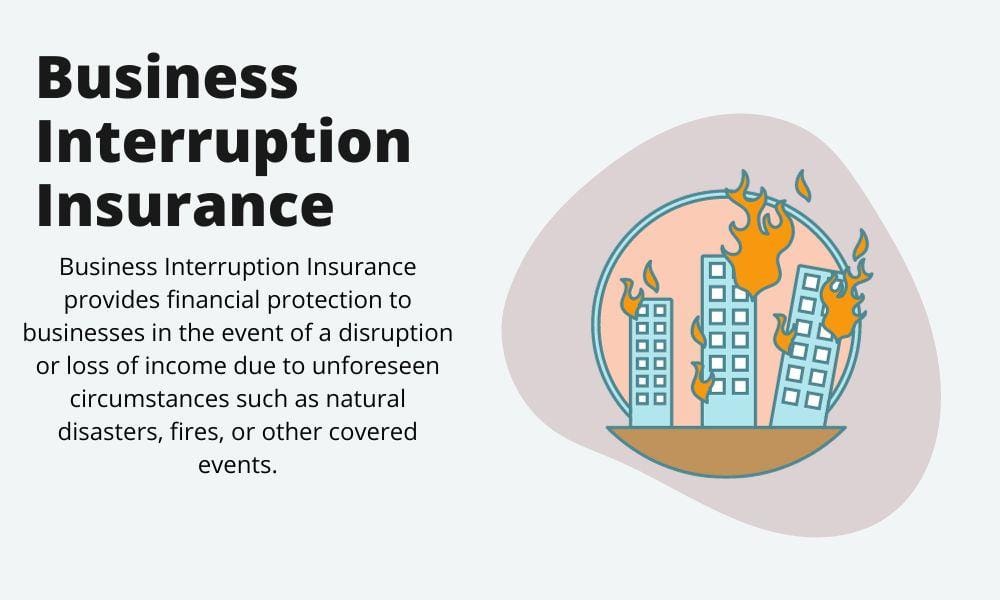
What It Covers: Liability claims plus protection for your physical assets, including your building, equipment, inventory, and furniture, against perils like fire, theft, and vandalism. It often includes business interruption insurance, which replaces lost income if your business is forced to close temporarily due to a covered peril.
3. Professional Liability Insurance (Errors & Omissions)
Also known as Errors and Omissions (E&O) insurance, this policy protects businesses that provide services or advice.
-
Who Needs It: Consultants, accountants, lawyers, IT professionals, real estate agents, and healthcare providers (where it is known as medical malpractice insurance).
-
What It Covers: Claims of negligence, misrepresentation, inaccurate advice, or failure to deliver a promised service. Even if a lawsuit is baseless, E&O covers your exorbitant legal defense costs.
4. Workers’ Compensation Insurance
If you have employees, workers compensation insurance is legally required in almost every state and jurisdiction.
-
Who Needs It: Any business with W-2 employees.
-
What It Covers: Medical care, rehabilitation costs, and lost wages for employees who are injured or become ill as a direct result of their job. It also provides employer liability coverage, protecting you if an employee sues over a workplace injury.
5. Commercial Auto Insurance
Personal auto insurance policies explicitly exclude coverage for vehicles used for business purposes. Commercial auto insurance fills this vital gap.
-
Who Needs It: Businesses that own, lease, or rent vehicles, or have employees who drive their personal vehicles for business errands (which requires Hired and Non-Owned Auto coverage).
-
What It Covers: Liability for bodily injury and property damage caused by your business vehicles, as well as physical damage to the vehicles themselves from collisions, theft, or weather events.
6. Cyber Liability Insurance
In today’s digital landscape, data is your most valuable asset. Cyber liability insurance protects your business from the devastating financial fallout of data breaches and cyberattacks.
-
Who Needs It: Any business that stores sensitive customer data (credit cards, SSNs, medical records), uses cloud software, or processes online transactions.
-
What It Covers: Costs associated with notifying affected customers, providing credit monitoring, public relations damage control, ransomware extortion payments, and legal fees resulting from data breach lawsuits.
7. Employment Practices Liability Insurance (EPLI)
EPLI insurance safeguards your business against claims made by employees regarding inappropriate workplace conduct.
-
Who Needs It: Any business with employees, especially as the business scales and HR dynamics become more complex.
-
What It Covers: Legal defense and settlements for claims of wrongful termination, discrimination, sexual harassment, breach of employment contract, and wage/hour disputes.
8. Directors and Officers (D&O) Insurance
Directors and officers insurance protects the personal assets of your company’s board of directors and corporate officers.
-
Who Needs It: Startups seeking venture capital (investors often require it), non-profits with boards, and corporate entities.
-
What It Covers: Legal fees, settlements, and judgments if a director or officer is sued for alleged wrongful acts in managing the company, such as breach of fiduciary duty, mismanagement of funds, or regulatory non-compliance.
The Definitive Industry-Based Guide to Small Business Insurance
No two industries share the exact same risk profile. A construction firm faces wildly different threats than a digital marketing agency. Below is a comprehensive breakdown of the best insurance strategies for major industries.
1. Construction and Contracting
Contractors, builders, plumbers, and electricians operate in high-risk environments where bodily injury and property damage are daily threats.
-
Primary Risks: Workplace accidents, accidental damage to client property, incomplete work, and stolen equipment.
-
Essential Coverage:
-
General Liability: Essential for accidental property damage (e.g., a plumber accidentally floods a client’s basement).
-
Workers’ Compensation: The risk of physical injury is exceptionally high in construction.
-
Contractor’s Tools and Equipment (Inland Marine): Covers expensive tools and heavy machinery while in transit or stored at a job site.
-
Builder’s Risk Insurance: Protects a building or structure while it is under construction against fire, vandalism, and extreme weather.
-
Surety Bonds: Not technically insurance, but required to guarantee that you will complete a project according to the contract terms.
-
2. IT and Technology
Tech companies, software developers, and IT consultants deal with intangible risks—primarily data, code, and intellectual property.
-
Primary Risks: Software bugs causing client financial loss, data breaches, and intellectual property infringement.
-
Essential Coverage:
-
Technology Errors & Omissions (Tech E&O): Critical if your software fails or your IT advice leads to a client’s system crashing, resulting in lost revenue.
-
Cyber Liability Insurance: Tech companies are prime targets for hackers. This is absolute priority coverage.
-
General Liability: For slip-and-fall risks if clients visit your server rooms or office.
-
3. Retail and E-Commerce
Whether you run a brick-and-mortar boutique or an Amazon FBA business, selling products introduces unique liabilities.
-
Primary Risks: Customer injuries on premises, defective products causing harm, inventory theft, and cyber breaches (for e-commerce).
-
Essential Coverage:
-
Business Owner’s Policy (BOP): Bundles property insurance (to protect your inventory and store fixtures) with general liability (to protect against customer slip-and-falls).
-
Product Liability Insurance: Often included in general liability, this is crucial if a product you manufacture or sell causes bodily harm or property damage to a consumer.
-
Cyber Insurance: Essential for e-commerce to protect customer credit card data and comply with PCI-DSS standards.
-
Transit/Cargo Insurance: Protects your goods while they are being shipped from manufacturers to your warehouse, or from your warehouse to the customer.
-
4. Healthcare and Medical Professionals
Doctors, dentists, physical therapists, and home healthcare providers face stringent regulations and high-stakes liability.
-
Primary Risks: Patient injury due to medical errors, HIPAA violations, and clinic property damage.
-
Essential Coverage:
-
Medical Malpractice Insurance (Professional Liability): The absolute cornerstone for healthcare. Covers legal defense and settlements if a patient claims negligence or harm from treatment.
-
Cyber Liability (Data Breach): Healthcare records are highly lucrative on the dark web. A HIPAA breach can result in massive fines and lawsuits.
-
Commercial Property Insurance: To protect expensive medical equipment (X-ray machines, specialized chairs) from fire or theft.
-
5. Food and Beverage (Restaurants, Cafes, Food Trucks)
The food service industry operates on thin margins and faces daily risks involving food safety, employee injuries, and alcohol consumption.
-
Primary Risks: Food poisoning, slips and falls, burns/cuts in the kitchen, and alcohol-related incidents.
-
Essential Coverage:
-
General Liability: Covers customer injuries and illnesses (like foodborne illness outbreaks).
-
Workers’ Compensation: Kitchen environments are notorious for burns, cuts, and slip-and-fall injuries among staff.
-
Liquor Liability Insurance: Mandatory if you manufacture, sell, or serve alcohol. It protects you if an intoxicated patron causes harm to themselves or others.
-
Equipment Breakdown Insurance: Covers the cost to repair or replace vital machinery (like walk-in freezers or commercial ovens) if they fail, preventing catastrophic inventory loss.
-
Food Spoilage Insurance: Reimburses you for lost inventory if a power outage destroys your refrigerated stock.
-
6. Real Estate and Property Management
Real estate agents, brokers, and property managers handle high-value transactions and maintain physical premises, creating a dual risk profile.
-
Primary Risks: Allegations of bad advice or failure to disclose property defects, tenant injuries, and property damage.
-
Essential Coverage:
-
Real Estate E&O Insurance: Protects agents against claims of negligence, misrepresentation of a property, or mistakes in contracts.
-
General Liability: Protects property managers and landlords against claims if a tenant or visitor is injured on the property due to poor maintenance.
-
Lessors Risk Only (LRO) Insurance: Designed for commercial landlords to protect against liability and property damage caused by a lessee.
-
7. Professional Services and Consulting
Accountants, marketing agencies, financial advisors, and management consultants sell their expertise.
-
Primary Risks: Providing bad advice that costs a client money, missing deadlines, or breaching confidentiality.
-
Essential Coverage:
-
Professional Liability (E&O): The most critical policy. If your marketing campaign infringes on a copyright, or your accounting error triggers a client’s tax penalty, E&O covers your defense.
-
Cyber Liability: Consultants often hold sensitive corporate data and trade secrets of their clients.
-
General Liability: Covers basic risks if you host clients at your office.
-
8. Manufacturing and Wholesaling
Manufacturers operate heavy machinery, produce physical goods at scale, and manage complex supply chains.
-
Primary Risks: Factory floor accidents, defective products causing mass injury, supply chain interruptions.
-
Essential Coverage:
-
Product Liability & Product Recall Insurance: Covers the immense costs associated with recalling a defective or dangerous product from the market, as well as lawsuits arising from product use.
-
Commercial Property & Equipment Breakdown: Protects the factory, warehouse, and the specialized, expensive machinery required to keep production lines moving.
-
Business Interruption Insurance: If a fire shuts down your factory, this covers your ongoing expenses (payroll, taxes) and lost net income while you rebuild.
-
Workers’ Compensation: Extremely high priority due to the physical nature of manufacturing work.
-
9. Transportation, Logistics, and Delivery
Trucking companies, last-mile delivery services, and courier businesses literally drive their risk on the road every day.
-
Primary Risks: Auto accidents, damaged cargo, and driver injuries.
-
Essential Coverage:
-
Commercial Auto Insurance: Requires high limits. Fleet insurance covers all company-owned vehicles.
-
Motor Truck Cargo Insurance: Covers the freight or commodities hauled by a for-hire trucker. If a truck crashes and the cargo is destroyed, this covers the loss.
-
Workers’ Compensation / Occupational Accident: Protects drivers who are injured on the road or while loading/unloading freight.
-
10. Fitness, Wellness, and Beauty
Gyms, yoga studios, personal trainers, hair salons, and spas physically interact with clients, leading to high bodily injury risks.
-
Primary Risks: Client injuries during workouts, allergic reactions to beauty products, and slips on wet floors.
-
Essential Coverage:
-
General Liability: Covers accidents like a client slipping in the locker room or a heavy weight dropping on someone’s foot.
-
Professional Liability (Malpractice): Protects personal trainers if a client claims a prescribed exercise routine caused an injury, or a cosmetologist if a chemical peel causes severe skin burns.
-
Commercial Property: Protects expensive gym equipment or salon stations.
-
Factors Affecting Commercial Insurance Costs
When searching for a small business insurance quote, you will quickly realize that pricing varies wildly. A freelance graphic designer might pay $300 a year for general liability, while a roofing contractor might pay $5,000 for the exact same policy type.
Understanding the variables that influence your general liability insurance cost (and other premiums) allows you to budget effectively and identify areas where you can mitigate risk to lower your rates.
1. Industry and Risk Profile
The single biggest factor dictating your premium is what you do. Insurance companies rely on actuarial data to determine the likelihood of a claim. High-risk industries (construction, manufacturing, healthcare) will inherently pay more than low-risk industries (accounting, freelance writing).
2. Business Size and Payroll
The more employees you have, the higher your risk of workers’ compensation claims and EPLI claims. Similarly, a higher payroll directly translates to higher workers’ compensation premiums, as rates are typically calculated per $100 of payroll.
3. Revenue and Business Volume
Higher revenue indicates more customers, more transactions, and a larger footprint—which equates to more opportunities for things to go wrong. A business doing $10 million in revenue will pay significantly more for liability coverage than a business doing $100,000.
4. Location
Where you operate matters immensely.
-
Geographic Risks: Businesses in coastal areas prone to hurricanes, or regions prone to wildfires, will pay astronomical rates for commercial property insurance.
-
Legal Environment: Highly litigious states or cities (where lawsuits are frequent and settlements are high) drive up general and professional liability costs.
5. Claims History
Just like personal auto insurance, a history of frequent or severe claims will label your business as “high risk,” resulting in immediate premium spikes or even policy cancellation. Conversely, a clean claims history can earn you substantial discounts.
6. Coverage Limits and Deductibles
-
Limits: Choosing a $2 million aggregate limit on your liability policy will cost more than a $1 million limit.
-
Deductibles: The deductible is the amount you pay out-of-pocket before insurance kicks in. Choosing a higher deductible lowers your monthly premium, but requires you to have more cash on hand in the event of an emergency.
Strategic Steps to Secure the Best Small Business Insurance Quote
Navigating the commercial insurance market can be overwhelming. Follow these actionable steps to ensure you secure comprehensive coverage at a competitive price.
Step 1: Conduct a Thorough Risk Assessment
Before speaking to a broker, map out your operations. What are your worst-case scenarios? Do you rely heavily on specialized equipment? Do you host clients in your office? Do you process thousands of credit cards daily? Identifying your vulnerabilities dictates the policies you need.
Step 2: Compare Quotes from Multiple Carriers
Never accept the first quote you receive. Use online marketplaces or work with an independent insurance broker. Independent brokers are not tied to a single carrier (like State Farm or Allstate); they can shop your profile across dozens of specialized carriers (like Hiscox, Chubb, Travelers, or Hartford) to find the best rate and coverage terms.
Step 3: Bundle Policies When Possible
As mentioned earlier, the Business Owner’s Policy (BOP) is the holy grail of cost-savings for small businesses. By bundling general liability and commercial property insurance, you typically save 10% to 20% compared to buying them separately.
Step 4: Prioritize Carrier Reputation Over Price
The cheapest policy is useless if the carrier refuses to pay out when you file a claim. Research the financial stability of the insurance companies you are considering. Look for carriers with an “A” rating or higher from AM Best, and read reviews regarding their claims handling process.
Step 5: Implement Risk Management Programs
You can proactively lower your premiums by making your business safer.
-
Install security cameras and commercial-grade alarms to lower property insurance rates.
-
Implement rigorous cybersecurity protocols (MFA, encryption, employee training) to lower cyber liability premiums.
-
Establish strict safety training programs to reduce workers’ compensation claims.
Step 6: Review and Update Annually
Your business is not static; your insurance shouldn’t be either. Review your policies every year prior to renewal. Did you buy new equipment? Hire ten new employees? Expand into a new state? Your coverage must scale alongside your business to prevent devastating coverage gaps.
Advanced Coverages for Scaling Businesses
As your business graduates from a “small” enterprise to a mid-market player, your risk complexity multiplies. At this stage, standard BOPs are no longer sufficient.
1. Commercial Umbrella Insurance
Also known as excess liability insurance, this policy provides an extra layer of protection above and beyond the limits of your underlying policies (General Liability, Commercial Auto, Employers’ Liability).
-
Scenario: You have a $1 million General Liability limit. A devastating lawsuit results in a $2.5 million judgment against your company. Without an umbrella policy, you are responsible for the remaining $1.5 million out of pocket, which would bankrupt most businesses. A commercial umbrella policy covers the excess.
2. Key Person Insurance
What happens if the founder, top salesperson, or lead developer suddenly passes away or becomes permanently disabled? Key Person Insurance is a life/disability policy taken out by the business on a critical executive. The business pays the premiums and is the beneficiary, using the payout to keep the business afloat, pay off debts, or find a replacement.
3. Fiduciary Liability Insurance
If your company offers employee benefits like a 401(k) plan or health insurance, the individuals managing those plans are fiduciaries. If an employee alleges that the plan was mismanaged, resulting in a loss of their retirement funds, Fiduciary Liability Insurance covers the legal defense and financial damages.
4. Multinational / Global Insurance
If you expand operations overseas, ship products internationally, or hire foreign contractors, standard domestic policies usually will not cover you. Multinational insurance packages ensure compliance with local foreign laws and provide worldwide liability coverage.
The Future of Business Insurance
The landscape of commercial risk is evolving at breakneck speed. To stay ahead, business owners must understand the emerging trends shaping the insurance industry.
1. The Hardening of the Cyber Insurance Market
As ransomware attacks surge, insurers are bleeding capital on cyber claims. Consequently, securing cyber liability insurance has become incredibly rigorous. Insurers now require strict proof of cybersecurity hygiene (Endpoint Detection and Response, immutable backups, strict access controls) before they will even issue a quote. Premiums for cyber coverage are expected to continue rising sharply.
2. Climate Change and Commercial Property Risk
Extreme weather events—wildfires, hurricanes, deep freezes—are becoming more frequent and severe. Businesses in high-risk zones will see massive increases in commercial property insurance premiums, and in some areas, traditional carriers may refuse to write policies altogether, forcing businesses to rely on expensive state-backed surplus lines.
3. The Impact of Artificial Intelligence
AI is transforming risk. On one hand, businesses using AI might face new liabilities (e.g., algorithmic bias leading to discrimination claims, or AI-generated content violating copyrights). On the other hand, insurance companies are using AI to streamline underwriting, process claims faster through computer vision, and predict risk with greater accuracy.
Frequently Asked Questions (FAQs)
What is the difference between General Liability and Professional Liability?
General Liability covers physical risks: bodily injury to a third party or damage to their physical property (e.g., a customer trips in your store). Professional Liability (E&O) covers financial losses a client suffers due to your professional mistakes, negligence, or bad advice (e.g., an accountant makes a tax error that costs a client $50,000 in IRS penalties).
Is small business insurance legally required?
It depends on the policy and your location. Workers’ compensation is legally required in almost all states if you have employees. Commercial auto insurance is required if you own business vehicles. While General Liability is usually not mandated by law, it is almost always required by landlords to sign a commercial lease, and by large clients before they will sign a contract with you.
How much does small business insurance cost on average?
Because businesses vary so much, an “average” is difficult to pinpoint. However, for a small, low-risk business (like a consulting firm), a Business Owner’s Policy (BOP) typically ranges from $400 to $1,200 per year. Workers’ compensation varies wildly based on payroll and industry.
Can I run my business from home without commercial insurance?
No. This is a massive misconception. Personal homeowner’s or renter’s insurance policies almost universally exclude business-related claims. If a client visits your home office and is injured, or if a fire destroys your $10,000 worth of business inventory stored in your garage, your personal home insurance will deny the claim. You need at least a home-based business endorsement or a standalone BOP.
What does “Claims-Made” vs. “Occurrence” mean?
These are the two primary ways liability policies trigger coverage.
-
Occurrence-based: Covers incidents that occurred during the policy period, regardless of when the claim is actually filed. (Most General Liability policies are occurrence-based).
-
Claims-made: Covers claims that are filed while the policy is active, regardless of when the incident happened (as long as it happened after the policy’s retroactive date). (Most Professional Liability and D&O policies are claims-made).
How do I file a commercial insurance claim?
-
Ensure Safety: Address any immediate injuries or hazards first.
-
Document Everything: Take extensive photos and videos of property damage, gather witness statements, and secure any relevant physical evidence.
-
Notify Authorities: If there is a crime (theft, vandalism) or a severe accident, file a police report immediately.
-
Contact Your Broker/Carrier: Report the claim as soon as possible. Delaying can result in denial.
-
Mitigate Further Loss: Take reasonable steps to prevent further damage (e.g., put a tarp over a leaking roof), but do not make permanent repairs until the insurance adjuster assesses the damage.
-
Cooperate Fully: Provide all requested documents, financial records, and communication to the claims adjuster.
Conclusion
Securing the best insurance for small businesses is not merely an administrative checkbox; it is a strategic business decision that secures your financial future. By understanding the core policies, analyzing the specific risks inherent to your industry, and proactively managing those risks, you can build an impenetrable safety net around your enterprise.